Sheep Raw Wool Producer For thousands of years sheep have been among the
most efficient of all the domestic animals. Unlike cattle and swine, they thrive
in the most extreme conditions of climate and habitat. Sheep graze easily on
noxious weeds in the highest reaches of mountain vegetation where neither
cattle nor elk nor deer choose to feed; thus they convert to protein for human
use a whole variety of natural resources that would otherwise be wasted.
These conversions are, of course, Sheep Raw Wool Producer—the perfect fiber for uncounted
varieties of fabric, and lamb—the most tender and succulent of meats. Shear a
sheep and spin its Sheep Raw Wool Producer into yarn for a sweater or a skirt. Before you know it,
the sheep has grown a new fleece and the cycle starts all over again. Sheep Raw Wool Producer is a
renewable resource.the Sheep Raw Wool Producer to remove grease (unrefined lanolin), vegetable matter and
other impurities which gather in the Sheep Raw Wool Producer from the range, feedlot, or shearing
floor.
A set of rakes moves the fleeces through a series of scouring tubs of soap
and water. Impurities can weigh from 30 to 70 percent of a raw (unscoured)
fleece. The first wash waters are warm—up to 140 degrees F—and the rinses
are cold. Then squeeze rollers and a hot-air drying chamber bring the moisture
content to the right level for the next step in processing. The first step in processing Sheep Raw Wool Producer takes
place on the farm or ranch with shearing… usually in the springtime just before
lambing. A skillful shearer, using fast electric hand clippers similar to enlarged
barber’s shears, can shear a sheep in about 5 minutes. He uses long, smooth
strokes close to the skin in order to preserve the length of the fiber and hence
the value of the fleece.
The shearer usually peels the fleece off in one piece. Then a worker rolls and
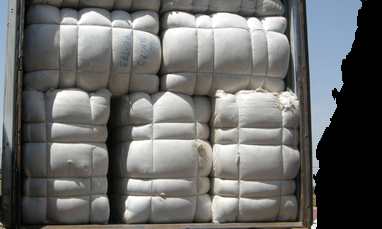
ties it and stuffs it into a long bag with 19 or 39 other fleeces which together
weigh from 200 to 400 pounds. He also marks the bag to identify its source
(owner) before it goes to the warehouse.
Next come the buyers. They are the final judges of the value of the Sheep Raw Wool Producer.
Many times they take core samples of the bags of Sheep Raw Wool Producer in order to measure fiber
length, diameter, amounts of dirt, plastic, and vegetable matter. These factors
can also be determined by experienced graders who make their judgments by
visual inspection. The buyers bid on “the lot” based on the grade and/or the
core samples of the Sheep Raw Wool Producer.carding process passes the clean and dry Sheep Raw Wool Producer through a
system of wire rollers to straighten the fibers and remove any remaining
vegetable matter. The rollers vary in diameter and turn at different speeds in
order to form a thin web of aligned fibers. Smooth steel fingers then divide the
web and roll the strands over onto one another to create narrow continuous
|